Herbert White’s Fatal Accident
The Monkey's PawHerbert White’s Fatal Accident is the human catastrophe behind the two-hundred-pound payment to Herbert’s parents. The visitor from Maw and Meggins reveals that Herbert was caught in factory machinery and is dead; the company disclaims liability but offers compensation. The sum exactly matches Mr. White’s earlier wish, binding an ordinary workplace death to the story’s uncanny fulfillment of desire.
Disclosure and Circumstances
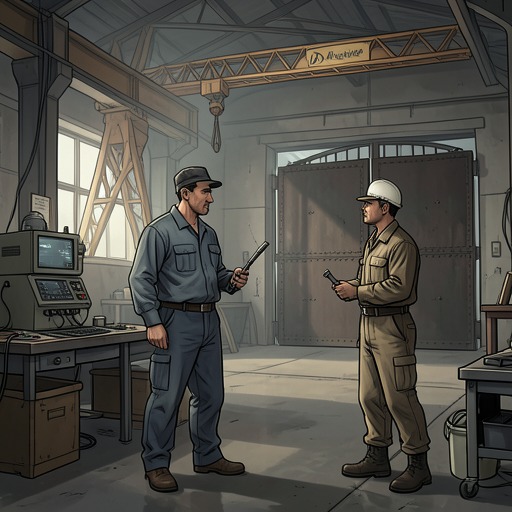
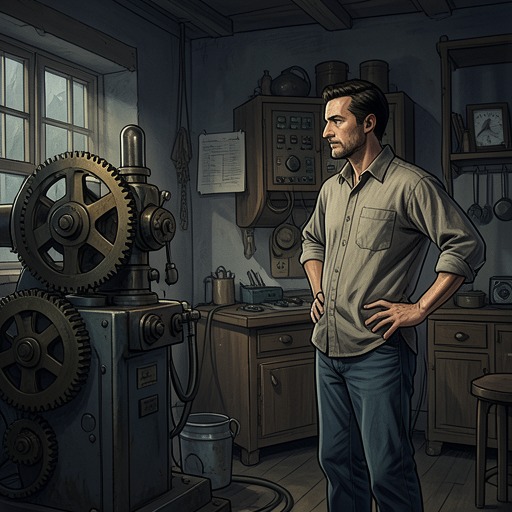
The accident reaches the family not through a witnessed scene at the factory but through a company visitor who arrives at their home. When he identifies himself as coming from Maw and Meggins, Mrs. White immediately fears that something has happened to Herbert. Mr. White tries to steady her and initially hopes the visitor brings no bad news, but the visitor’s halting manner and apology make the news difficult to avoid. The visitor confirms that Herbert is badly hurt, adding that he is not in pain. Mrs. White first takes this assurance as grounds for relief, then understands its grim implication from the visitor’s averted face. He eventually states that Herbert was caught in the machinery. The account supplies no further description of the accident; its bluntness leaves the parents to absorb the fact of the loss without a fuller explanation.
The Family’s Loss
The news changes the room from a domestic visit into a scene of bereavement. Mr. White repeats the words about the machinery in a daze, stares out of the window, and takes his wife’s hand, pressing it as he had during their courtship nearly forty years before. The familiar gesture is a quiet response to a loss neither spouse can undo. Mr. White tells the visitor that Herbert was the only one left to them and that the loss is hard. Mrs. White is left white-faced and staring, while her husband’s expression resembles that of a soldier approaching his first action. Their different visible reactions register the shock without diminishing the shared grief: the parents have received the same irreversible news, but the narrative gives each a distinct physical response.
The Company’s Response and the Payment
The visitor speaks on behalf of Maw and Meggins, conveying the firm’s sincere sympathy while stressing that he is only its servant and is obeying orders. He then makes the company’s position explicit: it disclaims all responsibility and admits no liability. The offered money is presented not as an acceptance of fault but as compensation in consideration of Herbert’s services. That distinction makes the payment an uneasy part of the bereavement rather than a remedy for it. The company names two hundred pounds. Mr. White lets go of his wife’s hand, rises, and asks how much; when he hears the figure, he smiles faintly, reaches out as if blind, and collapses unconscious. Mrs. White’s shriek goes unnoticed by him in that moment.
The Wish and the Tragic Reversal
The amount gives the accident a second significance: two hundred pounds was the sum Mr. White had wished for. What appears to be the fulfillment of that wish arrives through Herbert’s death and the employer’s compensation offer, turning a desired sum into an inseparable reminder of its cost. The coincidence is not presented as a straightforward benefit. Its force lies in the contrast between the exactness of the money and the irreparable absence it represents. The accident is therefore both a family tragedy and the event through which the story makes the consequences of wishing tangible. The company’s formal language and fixed payment cannot contain the human loss; Mr. White’s collapse gives the figure its immediate bodily consequence, while the parents’ stunned silence and grief show what the money cannot restore.